
Does oolong tea have caffeine? In this article, we’re going to find out. We’ll take a closer look at oolong tea caffeine content and compare it to other popular types of tea.
We’ll also explore how the caffeine in oolong tea can change depending on picking, processing, and brewing.
Let’s roll!
Does Oolong Tea Have Caffeine?

So right off the bat, does oolong tea have caffeine? Yes!
All true teas are made from the leaves of Camellia sinensis, which means they naturally contain caffeine. Because of this, oolong tea is caffeinated, although the exact amount can vary.
On average, the amount of caffeine in oolong tea ranges from 10mg to 60mg per serving, depending on how the tea is grown and prepared.
Later in this article, we’ll explore why the oolong caffeine content can vary so widely.
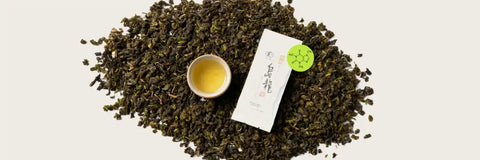
Japanese oolong is extremely rare, but we found a great one from Miyazaki Sabou in southern Japan. If you want to try this rare Japanese oolong yourself, you can get Oolong Miyazaki Sabou This tea is light, floral, and fragrant like a Taiwanese oolong, and it contains roughly 60mg of caffeine in oolong tea per serving. If you’re curious about the flavor profile of this tea, you can explore What Does Oolong Tea Taste Like?
Why Does Oolong Tea Have Caffeine?

So why does oolong tea contain caffeine in the first place?
As mentioned earlier, oolong is made from the leaves of the tea plant Camellia sinensis. These leaves naturally produce caffeine as a defense mechanism to protect themselves from insects.
The younger and more tender the tea leaves are, the more caffeine they tend to produce. Because most oolong teas are made from slightly older leaves, the oolong caffeine content tends to fall somewhere in the middle compared to other teas.
So if you're wondering is oolong tea caffeinated, the answer is yes. The caffeine is naturally present in the leaves themselves.
Why Does Oolong Tea Caffeine Vary?

The caffeine in oolong tea can vary depending on several different factors. Let’s take a look at some of the most important ones.
Cultivar
Just like wine grapes, tea plants are divided into different cultivars, or cultivated varieties.
Each matcha cultivar produces slightly different nutrient levels in the leaves, including caffeine.
Some cultivars known for higher oolong tea caffeine content include:
• Qingxin
• Jin Xuan
• Tieguanyin
Lower caffeine cultivars include:
• Shui Xian
• Rou Gui
• Da Hong Pao cultivars
These genetic differences influence the amount of caffeine in oolong tea produced from each plant.
Picking
Another factor influencing how much caffeine is in oolong is the picking method.
While traditional oolong teas often use more mature leaves, some modern styles incorporate younger buds and leaves, which contain more caffeine.
Teas such as:
• Alishan
• Lishan
• Shan Lin Xi
• Green-style Tieguanyin
• Jin Xuan (Milk Oolong)
often use slightly younger leaves to emphasize bright floral aromas. These teas can contain a higher oolong caffeine content than more mature-leaf oolongs like Rou Gui or Da Hong Pao.
Roasting
Is oolong caffeinated even when roasted? Yes, but roasting can slightly lower caffeine levels.
Many traditional oolong teas are charcoal roasted, which gives them a deeper, darker flavor profile. This roasting process can remove a small amount of caffeine from the leaf.
For that reason, darker roasted oolongs generally have slightly lower caffeine in oolong tea compared to greener oolong varieties.
Caffeine in oolong tea compared to other teas

How much caffeine does oolong tea have compared to green tea and black tea? Oolong will have somewhere in between 58-72mg of caffeine per serving, which puts it in the middle range compared to other tea types. If you want a deeper comparison of caffeine levels across all teas, you can read Which Tea Has the Most Caffeine?
Green tea
Green tea can have between 8-142mg of caffeine per serving, with the low end being for roasted stem teas and the high end being for gyokuro, a long shaded Japanese green tea. If you’re wondering how green tea compares, you can read Does Green Tea Have Caffeine?
Black tea
Black tea can have between 31mg and 96mg of caffeine per serving, with the lower end being for cheap tea bags and the higher end being for premium Darjeeling black tea. If you're curious about Japanese varieties, you can read Japanese Black Tea
White tea
White tea contains between 75-130mg of caffeine per serving, with the lower end being for leaf-heavy white teas like Shou Mei, and the higher end being for bud-heavy teas like Yinzhen.
How to Control the Amount of Caffeine in Oolong Tea

You can also influence how much caffeine is in oolong by how you prepare the tea. If you want to increase the caffeine in oolong tea, you can play around with these parameters. If you’re looking for lower caffeine tea options, you may also enjoy Decaf Genmaicha.
More Leaves
Using more tea leaves will naturally increase the amount of caffeine in oolong tea.
The typical guideline is about 5 grams of leaves, but increasing this amount will raise the caffeine level in your cup.
Hotter Water
Hotter water extracts more compounds from tea leaves, including caffeine.
If you brew your tea with boiling water, you will extract more caffeine in oolong tea than if you brew it at lower temperatures.
Longer Brewing Time
A longer steeping time will also increase how much caffeine is in oolong tea.
If you brew the leaves for longer, more caffeine will be extracted into the cup.
Broken Leaves
Breaking the leaves before brewing increases surface area and allows faster extraction.
This technique is often used in traditional Chaozhou-style brewing and can increase the oolong caffeine content in your cup.
The Final Verdict

So does oolong have caffeine? Absolutely.
All teas made from the tea plant Camellia sinensis naturally contain caffeine, and oolong tea is no exception.
The oolong tea caffeine content typically falls in the middle range compared to other teas. Darker roasted oolongs tend to have slightly lower caffeine levels, while greener, lightly processed oolongs may contain more.
If you're looking for a balanced tea that offers moderate caffeine and complex flavor, oolong tea is an excellent choice. If you’d like to explore this category further, browse our Oolong Tea Collection

Comments (0)
There are no comments for this article. Be the first one to leave a message!